
Planning for end of life care – let’s talk about it
Thinking about the future can be daunting – but it can help you and your loved ones focus on what’s important later on.
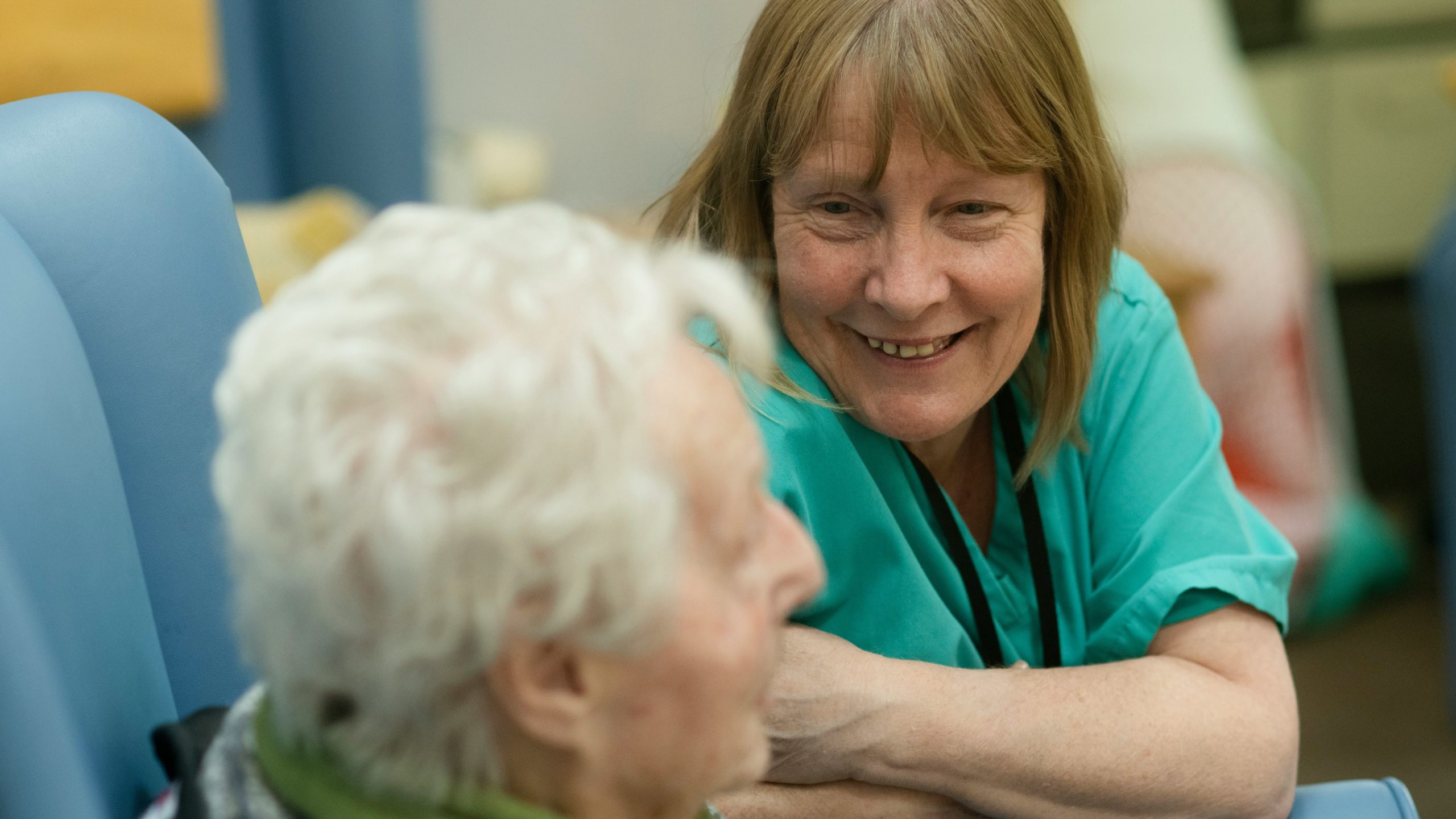
This week (04 – 10 May) is Dying Matters week, and we want to raise awareness around end of life care. Sometimes, starting a conversation with the people around you is the hardest part. Talking to people who love you about death can feel taboo, and it might be something you’ve avoided in the past.
However, having these difficult discussions can make things easier further down the road; it’s not nice to think about, but if you are unable to communicate your wishes in the future then having things already put in place can help everyone.
We are partnered with Age Cymru, who are the national charity for older people in Wales and a trusted source of support and advocacy. According to their latest national survey almost 85% of people over 50 have no future care plan, which could lead to some difficult decisions for loved ones.
A future care plan is different for everyone; it might be finally getting that will drawn up, or a written statement of where and how you want to be cared for at your end of life. As we are likely to live around a fifth of our life with ill health, it’s never too early to start thinking about our future wellbeing.
If you’re not sure how to get started thinking about an advance care plan, Age Cymru has lots of free advice, guidance and resources to help you with the process, including:
- Navigating conversations about death and care with loved ones
- Making a will
- Powers of attorney
- Talking to your GP or medical team
- Getting your accounts in order
Kelly Barr from Age Cymru said while it can be tough to think about, having these conversations with loved ones early can make a huge difference: “Many people may not have heard of the term ‘future care plan’ before, but like so many life arrangements, they make such a difference when you need them most.
“Age Cymru has some useful tips on how to start conversations about care with loved ones. For example, try writing down some notes beforehand about what you want to say, and remember that it’s okay if anyone gets emotional or upset during the conversation; it’s a completely normal part of dealing with difficult topics.
“Sometimes it helps to hear other people talking about these tricky subjects like death and care. One of our Age Matters podcasts has a whole episode dedicated to future care planning, which you can find wherever you usually get your podcasts, or on our website here.”
You can read more tips in Age Cymru’s article about advance care planning, as well as their factsheet that guides you through every aspect of planning for your future and end of life care.
If you want to start thinking ahead now, you can get in touch with the Age Cymru team to receive support and advice:
Call: 0300 303 44 98
Email: advice@agecymru.org.uk